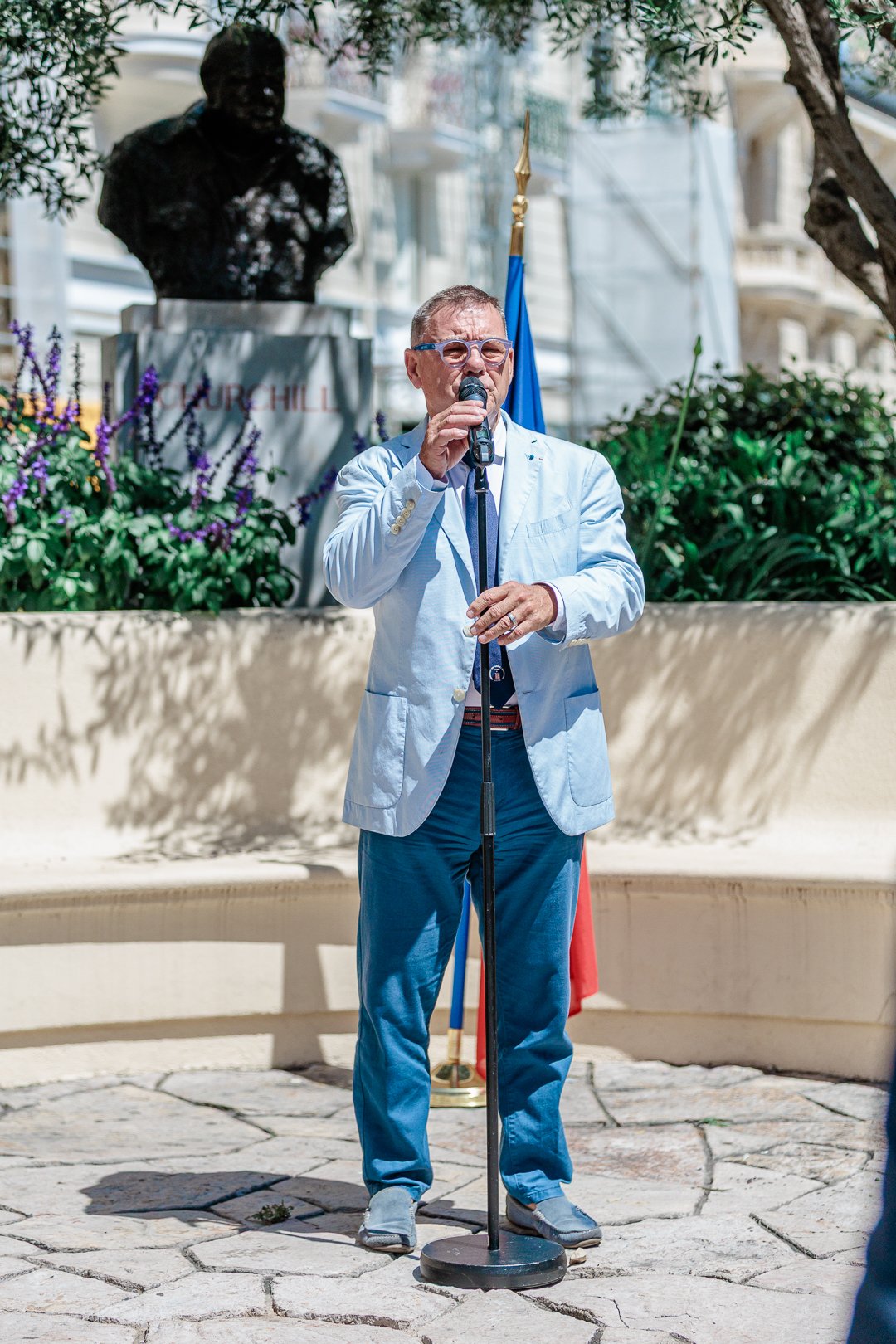
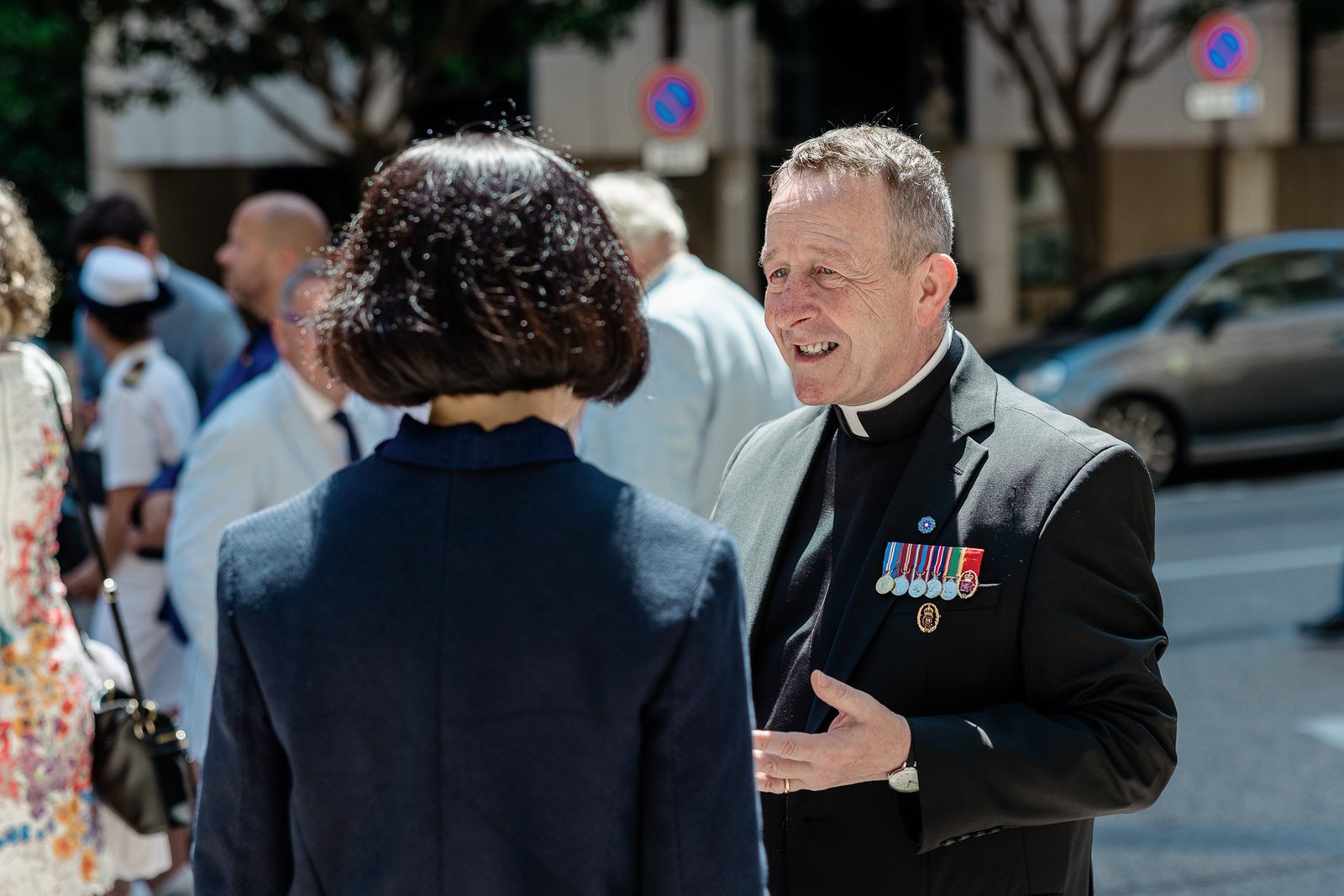
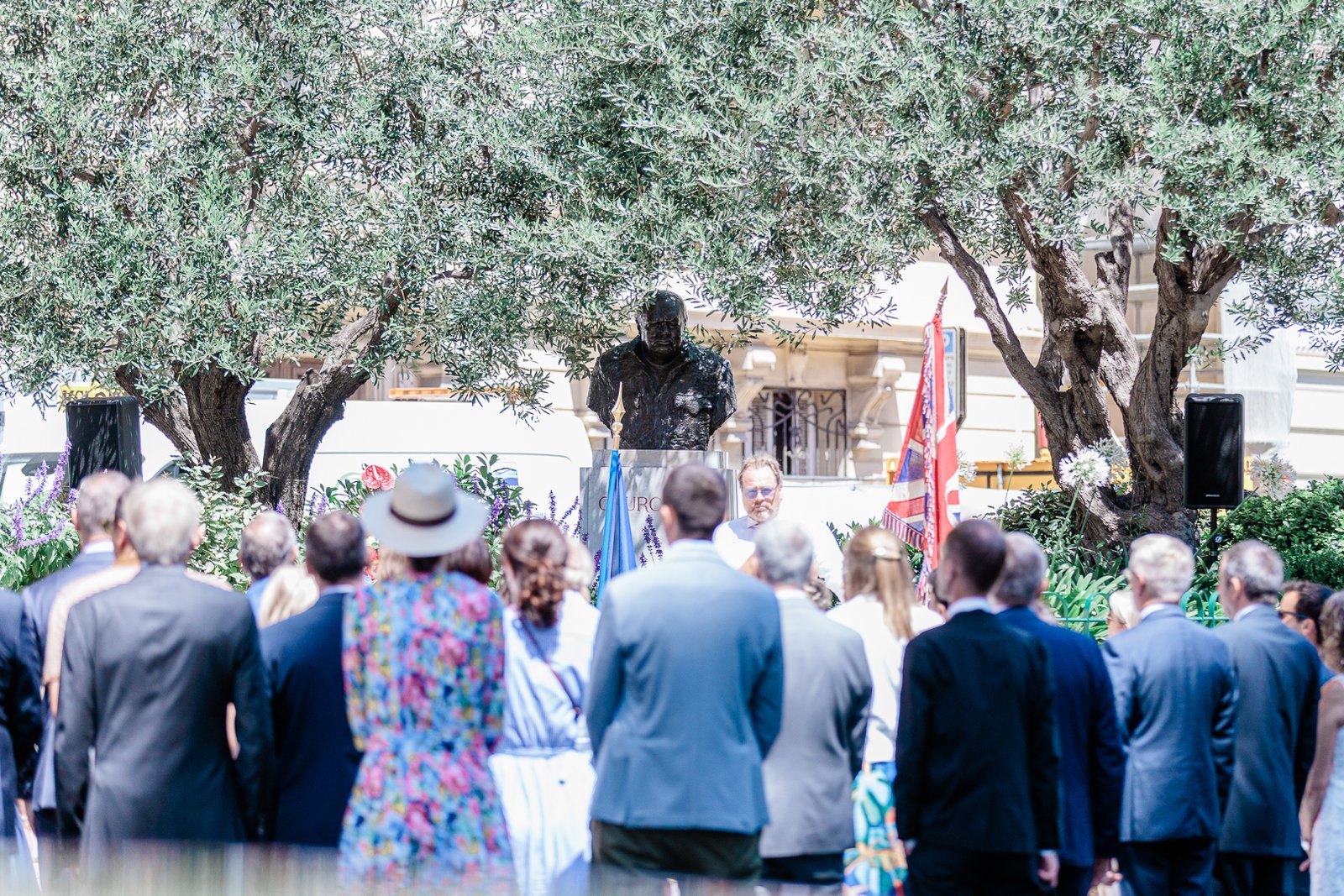
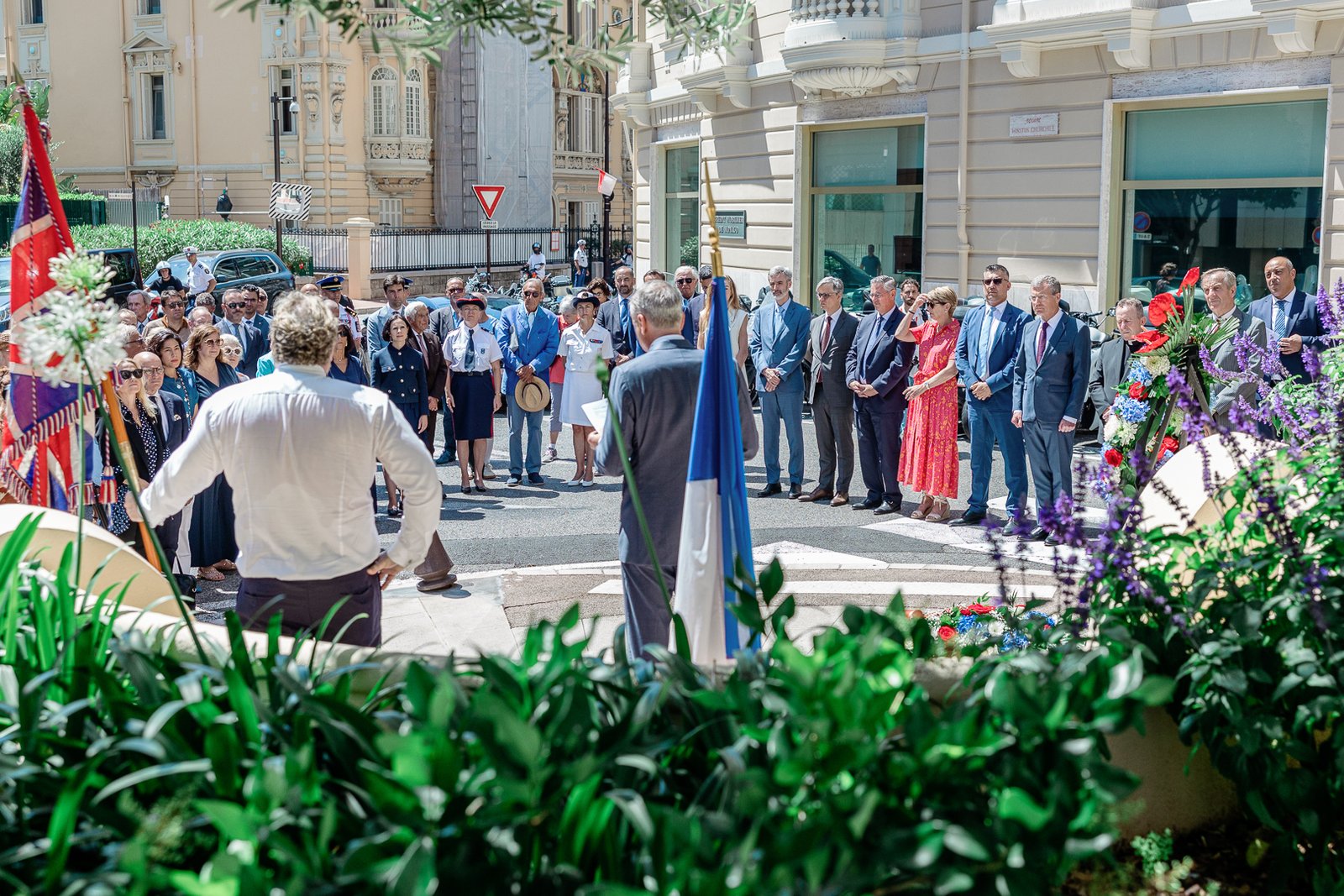
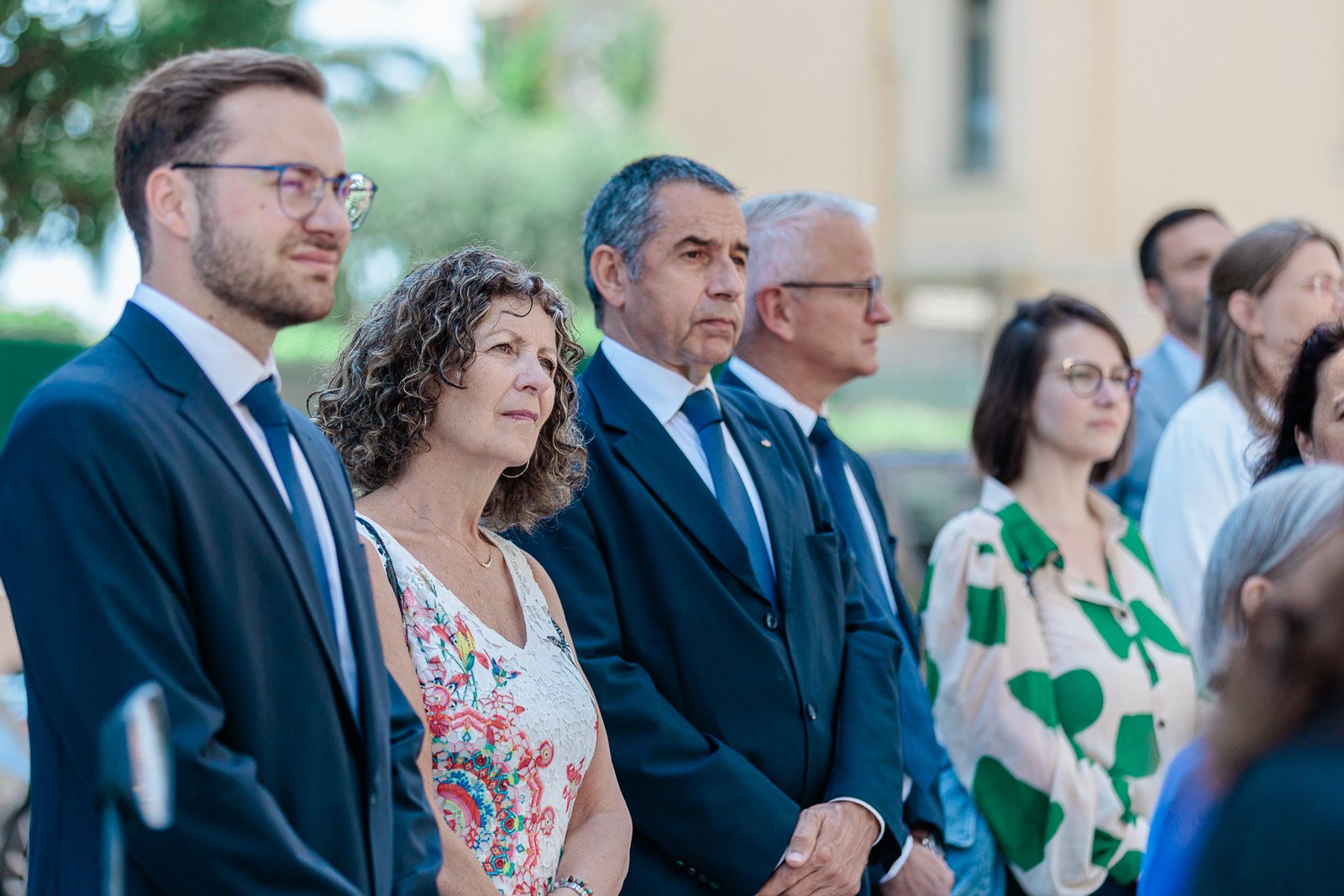
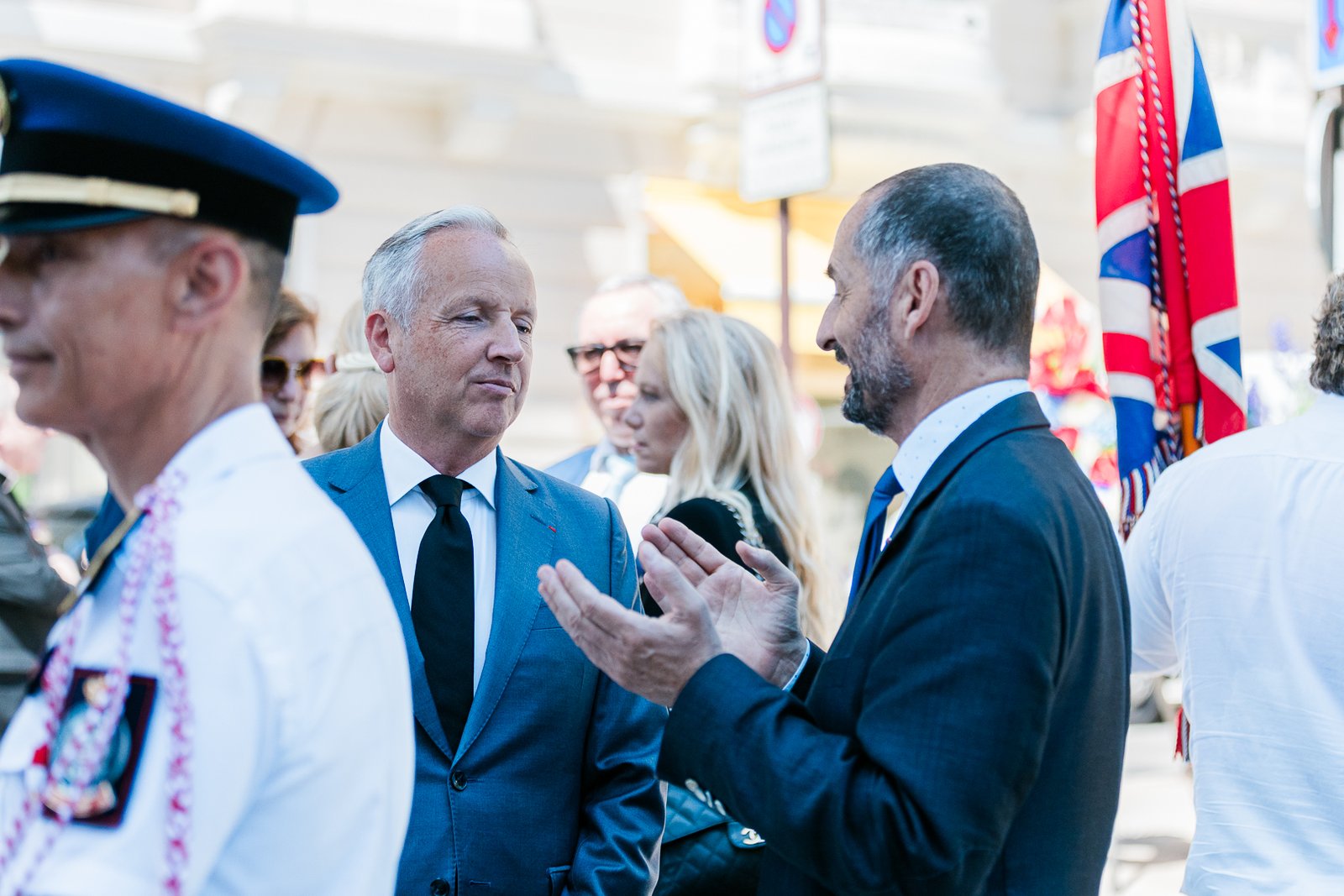
Beneath clear Monaco skies and in the shadow of the Winston Churchill bust on Avenue de Grande-Bretagne, a small but distinguished gathering recently came together to commemorate one of the most consequential broadcasts in modern history: General Charles de Gaulle’s appeal to the French people, transmitted by the BBC from London during the dark days of June 1940.
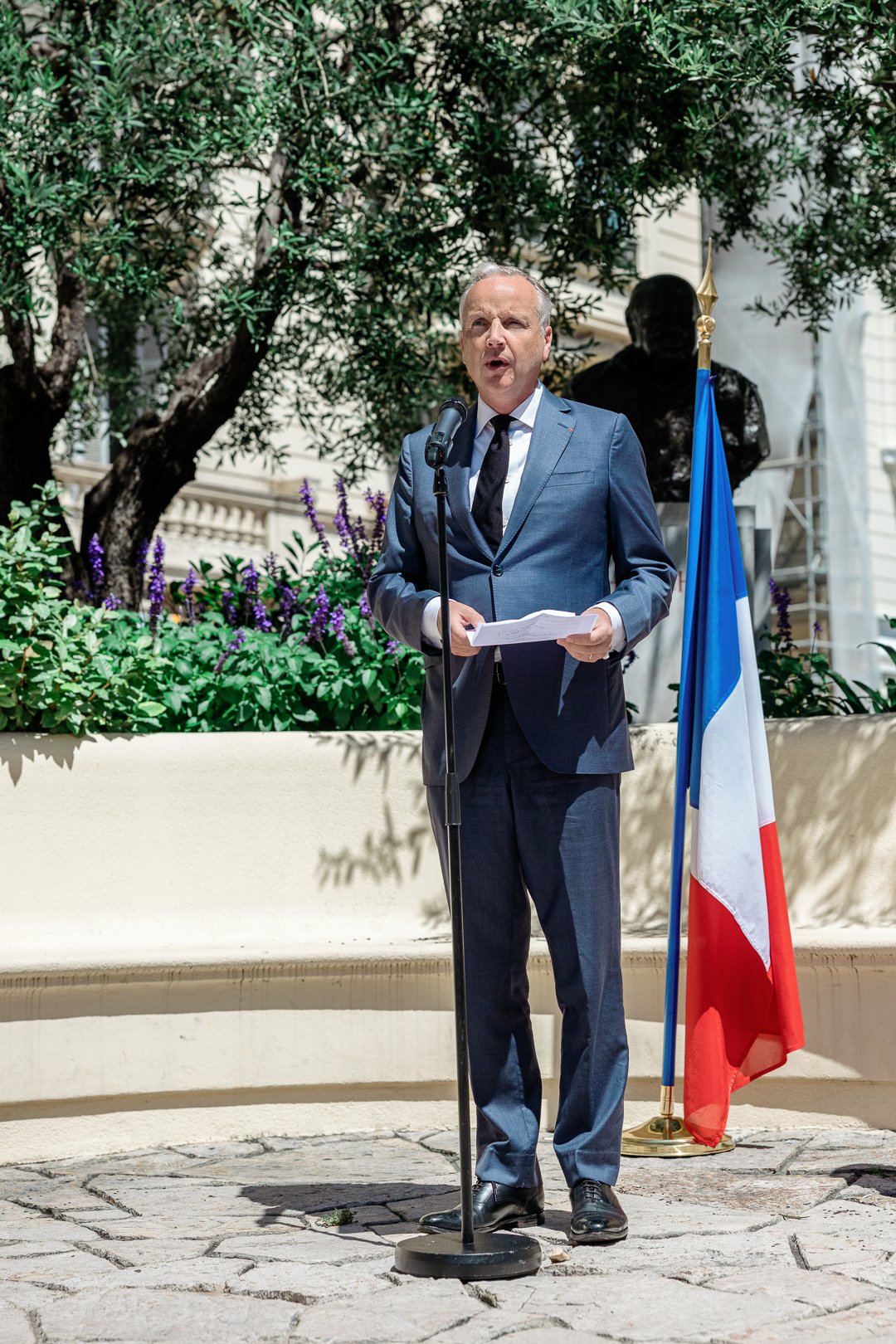
It was, in many respects, a fittingly poignant occasion. Present were a number of our esteemed parishioners, representatives of Monaco, members of the diplomatic community, and friends of both France and Britain. The principal address was eloquently prepared and delivered by the French Ambassador to Monaco, whose words vividly recalled the courage and determination embodied by General de Gaulle’s famous “Appel du 18 Juin”.
In that historic broadcast, made possible through the support and foresight of Prime Minister Winston Churchill, de Gaulle refused to accept France’s defeat at the hands of Nazi Germany. Speaking from London via the BBC, he called upon French soldiers, engineers, workers, and citizens everywhere to continue the struggle. His message was simple yet profound: France had lost a battle, but she had not lost the war.
The Ambassador reflected upon the remarkable significance of those few minutes on air. At a time when tyranny appeared unstoppable, the broadcast became a beacon of hope, not only for occupied France but for all who believed that freedom, democracy, and national sovereignty were worth defending. The BBC’s global reach ensured that de Gaulle’s voice travelled far beyond Britain and France, carrying a message of resistance that resonated across Europe and throughout the wider world.
The ceremony served as a powerful reminder of the enduring friendship between France and Great Britain. In 1940, when much of Europe stood on the brink of darkness, Churchill extended both practical support and political courage to a little-known French general who would later become one of the defining figures of twentieth-century Europe. The partnership forged in those desperate times remains a testament to what can be achieved when nations stand together in defence of liberty.
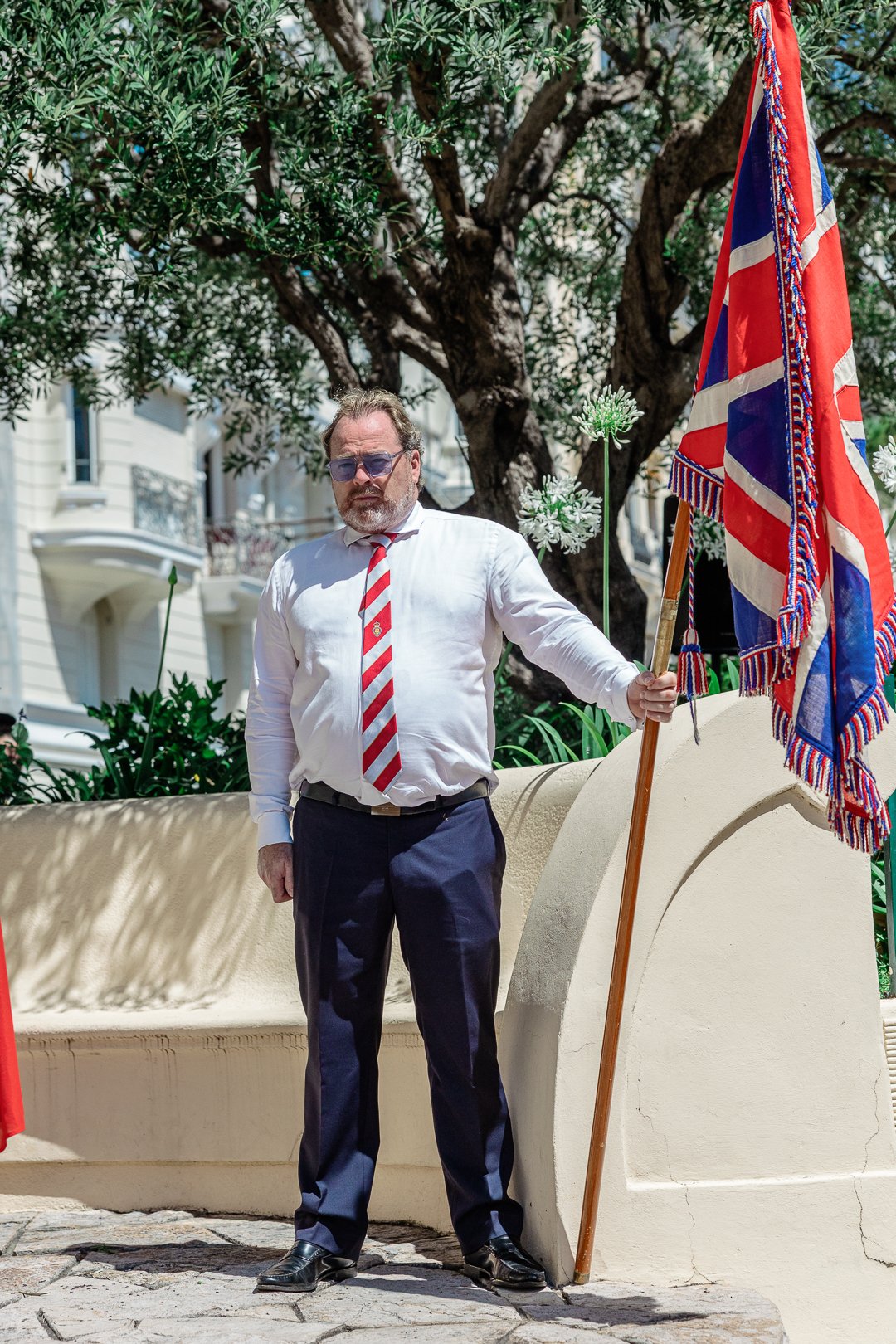
Our illustrious Padre was, as ever, a guiding presence throughout the ceremony, helping to ensure that the occasion struck exactly the right balance between remembrance, dignity, and gratitude. Meanwhile, your Churchwarden had the honour of flying the Union Flag with considerable pride—a task undertaken with all due solemnity and, thankfully, without incident.
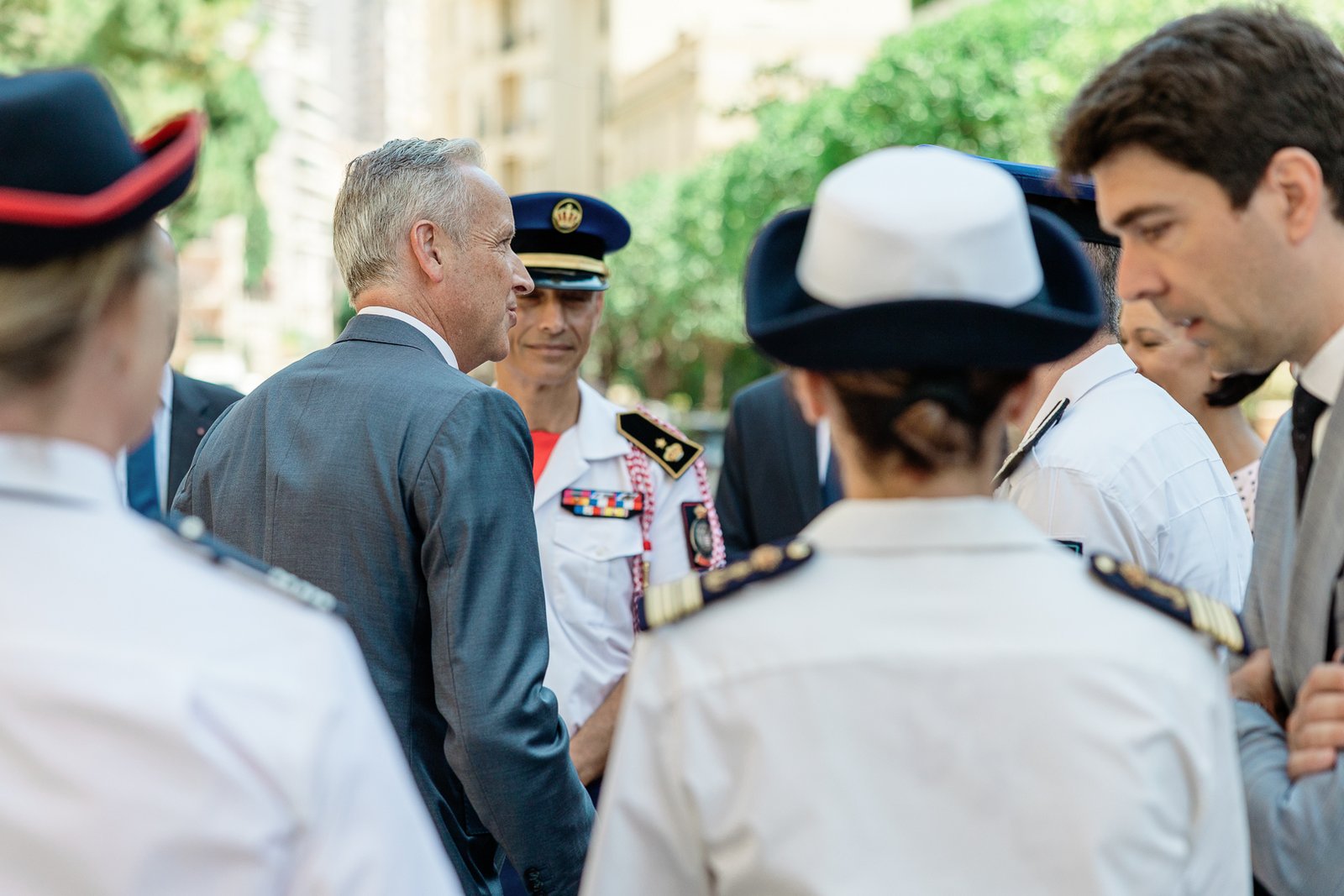
As the gathering concluded, conversations continued among attendees, reflecting upon the sacrifices of that wartime generation and the lessons that remain relevant today. The memory of Churchill, de Gaulle, and those who resisted oppression continues to inspire us to defend the values of freedom, courage, and democratic principle.
There is, however, a whisper circulating through certain quarters of the parish that next year’s commemoration may conclude with a champagne reception. At present, this remains firmly in the realm of rumour and speculation—but as every seasoned observer knows, where there is smoke, there is often a chilled bottle waiting nearby.
Watch this space.